

DanceVibes Studio
All about dancers- comp szn, mindset, and more.
A new post and episode every Friday.
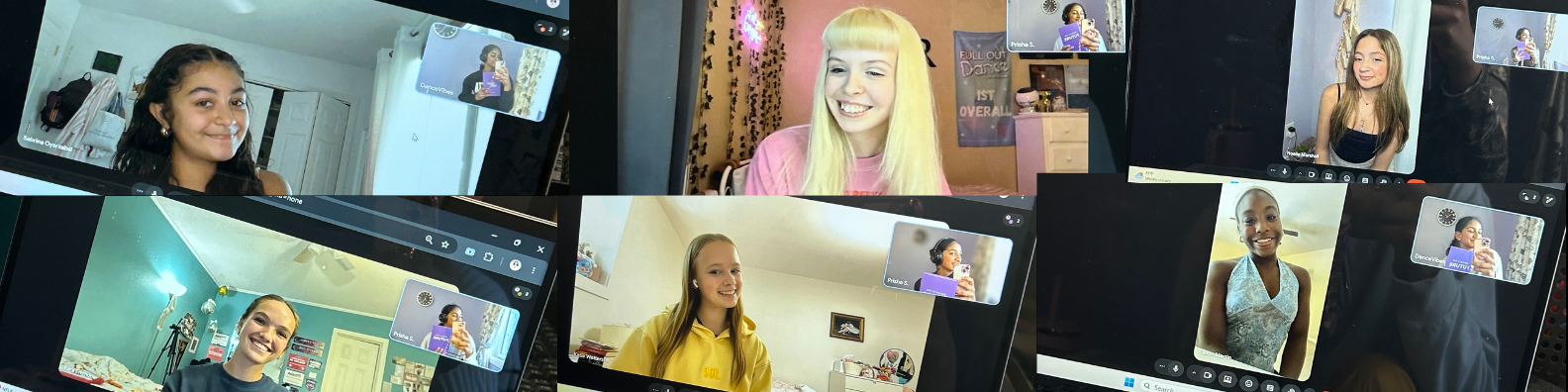
We want to interview other dancers on what they want to see in the dance world and give them a platform for their thoughts- sign up for an interview, anytime, below.
Inside the Competitive Dance World with Katie
a note from the interviewer, Prisha:
oh my god, i have never laughed this much in one episode. :)))) if you need a little pick-me-up after a bad dance day, or just want another dancer's perspective on comp life and whether comp is even for you, this is the episode. we also get into actual tactical tips for mindset, competing, master classes, and everything in between. honestly, this is exactly why i built danZING—to make all of that a little easier for you.
TL;DR
•Elite Athleticism: Dance demands unmatched physical stamina and daily multi-hour rehearsals that rival any traditional sport
•Authentic Social Media Growth: Growing an Instagram dance presence requires shifting focus away from vanity metrics and centering content on genuine artistic expression
•Convention Culture: Competing at massive U.S. events like Radix in Chicago introduces dancers to high-stakes ballroom environments that test adaptability and stage presence
•Backstage Camaraderie: Maintaining a positive, supportive backstage culture is essential for managing competition anxiety and fostering community over rivalry
•Core Philosophy: Success in dance ultimately comes back to remembering why you started and protecting your love for movement above all else
Why Do Non-Dancers Misunderstand the True Athleticism of Dance?
For anyone outside the studio ecosystem, dance is often viewed purely as an artistic performance or an extracurricular hobby. However, competitive dancers subject their bodies to grueling training schedules that match or exceed elite traditional sports. Katie, training out of Snap Dance Studios in Alberta, Canada, explains that the sheer volume of rehearsal hours and physical conditioning required is something outsiders rarely comprehend.
When discussing the age-old debate over whether dance qualifies as a sport, Katie shares a sentiment familiar to many competitive dancers: "I think a lot of people are like, 'Oh, this isn't a sport... It's not even that hard,' and it's just, like, the amount of dedication you have to put into dance is something, like, unmatched by anything else because, like, all these rehearsals, our stamina builds so much, and just, like, five hours of dancing per day, like, at these camps and all that, just, like, really add up".
Beyond physical endurance, competitive dance requires rapid cognitive processing. Dancers must memorize intricate choreography across multiple styles—from contemporary and jazz to ballet and acro—at lightning speed. This combination of aerobic output, muscular strength, flexibility, and spatial awareness creates a unique athletic profile that demands profound respect.
How Can Dancers Build an Authentic Instagram Presence Without Chasing Vanity Metrics?
With over 11,000 followers on her Instagram account @katiew.dancer, Katie has built a thriving online community. Her journey into content creation started organically from family photo shoots where she captured high-energy dance shots. Realizing her personal account wasn't the right space for dedicated dance content, she launched a public creator page to share her passion with a broader community.
However, navigating social media as a young dancer comes with distinct psychological hurdles, including algorithm fluctuations and view plateaus. Katie emphasizes the importance of grounding one's digital presence in authentic purpose rather than superficial numbers. Creators who fixate exclusively on viral reach often experience burnout. By treating social media as a digital scrapbook of artistic growth rather than a popularity contest, dancers can protect their mental health while connecting meaningfully with peers around the world.
What is the Difference Between Canadian Dance Competitions and U.S. Conventions Like Radix?
Stepping outside regional comfort zones is a pivotal milestone for competitive dancers. Katie shares her experience attending Radix Dance Convention in Chicago last year, noting how starkly it contrasts with the typical competition circuit in Canada. U.S. conventions operate on a massive scale, featuring expansive ballrooms, intense master classes taught by industry icons, and thousands of highly accomplished dancers competing in a single room.
Adapting to this environment requires immense mental fortitude. Dancers must learn to perform under intense scrutiny, block out the distraction of massive crowds, and absorb rapid-fire choreography from choreographers they admire. These cross-border convention experiences accelerate technical growth and expose dancers to diverse stylistic interpretations that elevate their artistry back home.
How Do Elite Dancers Manage Backstage Pressure and Performance Anxiety?
The backstage atmosphere at a major dance competition can be a high-stress cauldron of quick costume changes, nervous energy, and last-minute rehearsals. Yet, as Katie highlights, the secret to surviving and thriving backstage is maintaining perspective and fostering a supportive environment.
Rather than succumbing to cutthroat rivalry, successful competitors lean into camaraderie. Sharing a laugh, helping peers pin costumes, and keeping the energy light backstage diffuses anxiety and reminds performers why they fell in love with dance in the first place. When performance nerves strike, grounding techniques and trusting rigorous studio preparation help dancers step onto the stage with confidence.
Why is Community Support More Powerful Than Rivalry in the Dance World?
The intensity of competitive dance can sometimes foster unhealthy comparisons. However, looking up to industry role models—such as elite dancers Autumn Miller—teaches rising competitors that community support breeds collective excellence.
Katie stresses that dancers should avoid getting bogged down in minor studio politics or overthinking competition outcomes, noting that "it is really not that deep". Embracing mentorship, celebrating peer achievements, and learning from coaches who prioritize holistic personal development over trophies creates a sustainable, joyful dance journey.
Frequently Asked Questions (FAQs)
How did Katie start her Instagram dance account?
Her social media journey began organically following a dedicated dance photo shoot during family pictures, prompting her to create a public space to share her passion and connect with the broader dance community.
What are the main differences between Canadian dance events and U.S. conventions?
U.S. conventions like Radix feature massive ballroom scales, intense competition pools, and master classes with top industry choreographers, offering a high-energy environment that accelerates technical growth compared to smaller regional circuits.
How do competitive dancers handle intense physical demands?
Competitive dance requires up to five hours of daily training, rigorous stamina building, and rapid choreography memorization, making it an elite athletic discipline.
What advice does Katie have for young dancers getting into content creation?
Katie advises dancers to focus on sharing their genuine passion rather than fixating on follower counts or algorithm views, ensuring social media remains a fun creative outlet.
Who are some of the dance inspirations mentioned in the recording?
Katie highlights elite dancers like Autumn Miller as major inspirations within the community.
How can dancers manage backstage anxiety at competitions?
Keeping the backstage atmosphere fun, supporting fellow competitors, and focusing on community rather than rivalry helps diffuse pre-show nerves.
Inside Competitive Dance with Lily: Training, Improv & Content
Competitive dance demands an extraordinary weekly time commitment, rigorous mental resilience, and the courage to step outside your comfort zone. In this exclusive DanceVibes interview, competitive dancer Lily from Dance Connection in New Brunswick shares her firsthand experiences with improv competitions, launching a dance YouTube channel, navigating summer studio training with guest choreographers, and overcoming the comparison trap.
a note from the interviewer, Prisha:
lily is one of the og dancers in the DanceVibes community- she was one of the first danZING users to help me test the app and make it better, so this episode has been a long time coming. if you want another dancer's perspective on technique, comp life, rituals, and everything in between, definitely check it out—especially to learn why you should apparently be in a banana before you perform. 😂 honestly, everything she talked about—remembering corrections, improv, taking notes—is also exactly why i started DanceVibes in the first place.
TL;DR
•Intensive Time Commitment: Competitive dance requires arriving at the studio every day after school, representing a massive investment of time and physical energy.
•Improv Mastery: Success in improv comes down to never stopping, actively listening to the music, and varying movement dynamics rather than panicking.
•Digital Creator Journey: Launching a YouTube channel in the summer helps dancers connect with the broader online community while building momentum for the upcoming competition season.
•Backstage Camaraderie & Rituals: Quirky pre-performance routines—like eating a banana before going on stage—and supportive studio culture help keep performance anxiety at bay.
•Mental Resilience: Overcoming self-doubt and breaking free from the comparison trap are essential for building true confidence on stage.
What Do Non-Dancers Misunderstand About the Time Commitment of Competitive Dance?
For outsiders looking in, dance is frequently categorized as a casual recreational activity or a seasonal hobby. However, competitive dancers live a lifestyle defined by intense dedication and packed daily schedules. Lily, dancing out of Dance Connection in New Brunswick, points out that the sheer volume of hours spent in the studio is the number one thing non-dancers fail to grasp.
Discussing the daily reality of studio life, Lily explains: "Definitely the time commitment that it takes. Like, it's a lot of hours, and I don't think everyone really realizes how much hours and time it takes out of your day".
When you factor in arriving straight after school, enduring multi-hour rehearsal blocks, and balancing homework with physical conditioning, competitive dancers maintain schedules that rival elite collegiate athletes. This unwavering commitment is the foundation upon which technical excellence and stage mastery are built.
How Can Dancers Conquer Fear and Excel in Improv Competitions?
Stepping onto a competition stage completely alone with zero pre-planned choreography is one of the most terrifying challenges a dancer can face. Lily shares her recent experience entering an improv competition for the first time this season, noting that walking out onto the stage solo was genuinely intimidating.
However, once the music starts, the fear melts away. Lily offers practical advice for dancers looking to sharpen their improvisational skills: "I feel like my biggest tip is don't stop and really listen to your music. Because, yes, you can keep dancing, but you wanna make sure that you're like changing your movement quality and like having moments of slower and like faster and trying not to keep the same speed up".
To practice spontaneity off-stage, Lily recommends utilizing random playlist shuffles on Spotify—forcing yourself to move and adapt to unfamiliar songs and tempos builds the exact reflexes needed under competition pressure.
Why Are Dancers Expanding Into YouTube and New Content Platforms?
While Instagram and TikTok have long dominated the dance creator space, rising dancers are beginning to explore long-form platforms like YouTube. Lily recently launched her own dance YouTube channel, steadily climbing toward her first 100 subscribers within just a week of launch.
Filming and sharing vlogs during the summer offers a unique way to maintain momentum when standard competition routines are on hiatus. Lily notes that while summer training involves intense workshops with visiting guest choreographers from other provinces, having a creative outlet on YouTube allows dancers to share their passion and connect with a wider community that appreciates the highs and lows of studio life.
What Role Do Pre-Performance Rituals and Studio Camaraderie Play Backstage?
The backstage environment at a dance competition is a whirlwind of nerves, quick costume changes, and high expectations. Yet, it is also where lifelong friendships are forged. Lily highlights the importance of fostering supportive relationships not just within your own studio, but across different dance schools.
Adding a touch of humor to pre-show routines, Lily shares her quirky backstage secret: "So ever since then I find I perform and dance better if I have a banana". Simple rituals, shared laughs, and mutual backstage encouragement help dancers transform nervous energy into electric stage performances.
How Can Dancers Break Free From Self-Doubt and the Comparison Trap?
Every dancer eventually encounters moments of self-doubt—wondering if they are improving fast enough or measuring up to peers. Lily candidly discusses the mental hurdle of freezing up and worrying about judgmental eyes in the audience.
Overcoming this mental barrier requires shifting the focus inward. By letting go of perfectionism and remembering why you fell in love with movement, dancers can step onto the stage with authentic confidence. As Lily emphasizes, getting out of your own head is the ultimate key to unlocking your best performance.
Frequently Asked Questions (FAQs)
What is Lily's primary advice for dance improv?
Lily advises dancers never to stop moving, actively listen to the music, and vary their movement dynamics by alternating between slower and faster tempos rather than maintaining a single flat speed.
How does Lily practice improvisation off-stage?
She recommends using random playlist shuffles on Spotify to force yourself to adapt and dance to unfamiliar songs and musical styles.
What new content platform has Lily recently explored?
Lily recently launched a dance YouTube channel, rapidly approaching 100 subscribers within its first week.
How does Lily handle summer training?
She stays active in the studio taking master classes from guest choreographers visiting from other provinces, while also documenting her journey through content creation.
How do competitive dancers overcome stage fright and self-doubt?
By focusing on genuine musical connection, letting go of perfectionism, and getting out of their own heads before stepping onto the stage.
Mastering the Dancer Mindset: Emma Zodrow on Competition Prep, Content Creation, and Studio Culture
The key to success in competitive dance isn't just about technical perfection; it's about mastering the "Dancer Mindset"—a mental state focused on personal growth, controlling the controllables, and embracing the discomfort of the learning process. By prioritizing preparation over comparison and authenticity over perfection, dancers can build sustainable careers and studio owners can foster a culture of confidence and resilience.
a note from the interviewer, Prisha:
one of the best dancer mindset conversations i've ever had with another comp dancer. :) i loved how open emma was about her experience with comp and dance, especially when it comes to the idea that it's somehow "too late" to start or grow—because that's just not a thing. honestly, talking about dancer mindset brought me right back to why i started danZING: to make it easier to keep your whole dance life in one place so you can spend less time stressing and more time actually training. 💜
TL;DR: The Dancer Mindset Essentials
•Control the Controllables: Focus on your own preparation—timeline, stretching, and mental marking—rather than judging scores or competition delays.
•Authenticity Wins: In content creation, genuine "internet diary" style posts often outperform highly engineered videos.
•Embrace the Room: Growth happens when you are "comfortable being uncomfortable" and willing to ask questions rather than comparing yourself to peers.
•Fuel to Perform: Proper nutrition is a non-negotiable for high-level performance; never sacrifice fuel for aesthetics.
How Can Dancers Overcome the Trap of Comparison?
Comparison is a recurring struggle in the dance world, exacerbated by "dance doom scrolling" on social media. Emma Zodrow (@lynnethedancer) emphasizes that the feeling of being watched and judged is often an illusion because everyone else in the room is preoccupied with their own insecurities. To break this cycle, Emma suggests shifting the perspective on being the "worst" in the room.
"It's okay to be the worst in the room because if you're the best in the room, you are not in the right room. You need to grow, you need to push."
Instead of viewing a peer’s success as a personal failure, Emma encourages dancers to treat their teammates as resources. If a friend is hitting triple turns and you’re struggling with one, the solution isn't to retreat; it's to ask for tips. Building this culture of open inquiry transforms a competitive environment into a collaborative one.
What is the Secret to Staying Sane During Competition Season?
Competition days are notoriously chaotic, with schedules shifting by hours and dressing rooms packed to the gills. Emma’s approach to staying sane is rooted in a rigid personal timeline. She advocates for arriving early—sometimes hours ahead—to "zone everything and everybody out." By picking a corner, focusing on hair and makeup, and dedicating at least 30 minutes to stretching, a dancer can create a bubble of calm.
Emma notes that you cannot control if a competition is running behind, but you can control your readiness. Her goal is to be fully prepared an hour before her routine, ensuring that even if she is called ten numbers early, she can step onto the stage without panic.
How Can You Build a Genuine Social Media Presence as a Dancer?
For dancers looking to start posting, Emma’s advice is simple: just start. She views her social media as an "internet diary," a way to document her journey for herself rather than performing for an audience. Interestingly, she has found that the content which takes the least effort—often just a few seconds of dancing with text overlay—tends to perform the best.
"It is the stuff that I post that takes me, like, three seconds to make that gets the most views... if I spend hours upon hours thinking of something, editing it... it doesn't get as many views."
She recommends staying involved with trends and learning your specific account's algorithm—such as the best time of day to post—but warns against taking it too seriously. Missing a few days won't ruin your following, and authenticity will always drive more engagement than an over-polished script.
What Should Your Pre-Performance Ritual Look Like?
The minutes spent in the wings are the most critical for a successful performance. Emma’s ritual involves a total mental "lock-in." She avoids watching the number before hers to keep her mindset focused solely on her own routine. While in the wings, she closes her eyes, mentally marks the choreography, and physically tests the Marley floor to see if it’s sticky or smooth.
This ritual isn't just about the steps; it's about grounding yourself in the environment. By the time the stage lights hit, the goal is to be so focused that the audience and even the judges fade into the background.
Why is Nutrition the Foundation of a Strong Dancer Mindset?
One of the most vital insights Emma shares is the importance of fueling the body. Many dancers avoid eating before a performance due to bloating or aesthetic concerns, but Emma argues this is a mistake that directly impacts performance quality.
"You cannot perform as well as you could with a full stomach... It is so night and day performing on an empty stomach versus a full one."
For studio owners and directors, fostering a culture that prioritizes health and nutrition over "ballet aesthetics" is essential for student longevity and success.
Frequently Asked Questions
1. How do I handle a late start in the dance world?
Emma started studio dance at 14, which is considered late. She recommends joining a studio that offers a variety of styles and being prepared to work twice as hard to "catch up" to peers who started at age two. The key is finding a supportive environment that values growth over starting age.
2. What are the benefits of being a dance competition ambassador?
Programs like the FLY Dance Ambassador offer perks such as free improv entries and the chance to represent a welcoming community. It’s a great way to build connections and gain visibility within the industry.
3. How do I deal with judges' opinions at a dance competition?
Remember that judging is subjective. As Emma points out, it is the opinion of three people on one specific day. If you and your teachers are proud of the performance, that is the true measure of success, regardless of the placement.
4. What features should I look for in a dance studio management app?
According to Emma, the "dream app" would include a shared studio calendar, a centralized place for critique videos and photos, and a cross-platform gallery for dancers to share memories without file-size limitations.
5. How do I stop comparing myself to other dancers on Instagram?
Limit "dance doom scrolling" and remember that social media is a highlight reel. Focus on your own "internet diary" and use others' success as inspiration to ask questions and learn, rather than as a yardstick for your own worth.
Navigating Burnout, Fine Arts School Training, and Authentic Dance Content with Fallon Martin
For young dancers navigating the relentless demands of studio rehearsals, competition seasons, and social media expectations, the pressure to maintain perfection can be overwhelming. In this exclusive DanceVibes interview, 16-year-old dancer and Alabama School of Fine Arts student Fallon Martin sits down with host Prisha to discuss what it really takes to survive and thrive in the modern dance world. From debunking common non-dancer misconceptions to normalizing mental burnout and sharing practical advice for aspiring content creators, Fallon offers an unfiltered look behind the scenes of elite youth dance training.
a note from the interviewer, Prisha:
i had been seeing fallon's content everywhere before i finally invited her on, and i'm so glad i did. this episode is especially valuable if you're a comp dancer who's wondering if you actually want to keep doing comp or if you'd be happier stepping away. we talk so much about dancer mindset and how that validation ultimately has to come from you—not someone else. and honestly, that's exactly why i built danZING: to give you the tools to organize your dance life, track corrections, save notes, audio, videos, and actually see your progress. if any of that resonated with you, definitely check out danZING right here.
TL;DR
•Redefining Dance Artistry: Non-dancers often reduce choreography to mere physical tricks, but true longevity requires marrying technical skill with deep artistic storytelling
•Fine Arts School Realities: Specialized arts high schools offer immersive training schedules—such as academics ending at noon followed by dance until 5:30 PM—best suited for dedicated ballet and contemporary students
•Embracing Content Authenticity: Building a social media presence doesn't require algorithmic perfection; relatability and consistency matter far more than posting at exact hourly intervals
•Normalizing Burnout and Breaks: Pushing through severe physical and mental exhaustion is the primary driver of early retirement in dance; taking structured breaks preserves long-term passion
•De-escalating Competition Pressure: Competition scores and placements reflect subjective judges' opinions rather than an artist's true worth or future potential
What Do Non-Dancers Get Wrong About the Dance World?
To the untrained eye peering through social media feeds, dance is frequently mischaracterized as an endless succession of high-flying leaps, turns, and acrobatic feats. When asked about the biggest misconception non-dancers hold, Fallon points directly to this oversimplification: "Probably, like, all they do is tricks."
Host Prisha echoes this sentiment, noting how online discourse often frames competitive dance purely around athletic gymnastics rather than emotional resonance. While acro-heavy routines have their place on the competition stage, both dancers agree that choreography loses its soul when it sacrifices narrative for spectacle.
"If you're, like, just doing acro on stage for a solo, like... then it should be, like, an acro dance, you know? And I just feel like we just need more artistry... honestly." — Fallon Martin
This craving for genuine artistry is precisely why Fallon finds herself drawn to masterclass combinations by industry icons like Molly Long and organizations like Project 21. For dancers striving to captivate audiences, the lesson is clear: technique opens doors, but intentional storytelling and musicality leave lasting impressions.
What Is Daily Life Like at a Fine Arts High School?
Balancing rigorous academic instruction with elite physical training is one of the greatest challenges for pre-professional dancers. Fallon, who attends the Alabama School of Fine Arts, provides a rare window into what an immersive arts education actually looks like [00:19–00:24]. Unlike traditional high schools anchored by standard afternoon dismissal bells and extracurricular sports like football, fine arts institutions restructure the entire day.
Students complete their academic coursework by approximately 12:00 PM before transitioning straight into departmental studio training that runs until 5:30 PM every single day. According to Fallon, this specialized track is uniquely suited for specific types of students:
"Someone who is very into ballet, honestly. And someone who is not that industry type of person who wants to go to New York, Juilliard, Alvin Ailey, all of those things." — Fallon Martin
By immersing young artists in an environment surrounded by peers dedicated to music, theater, visual arts, and dance, fine arts schools foster deep creative discipline—though Fallon candidly notes that the physical toll requires immense mental resilience.
How Can Dancers Build an Authentic Social Media Presence Without Overthinking?
With a rapidly growing following across Instagram and TikTok (@Fallon_.Martin), Fallon has become a familiar digital face for thousands of young dancers. Yet, her approach to content creation refreshingly lacks the calculated corporate playbook often pushed by online marketing gurus.
Her core philosophy for aspiring creators is simple: embrace an open mind, lean into personal relatability, and refuse to let the fear of peer judgment dictate what you share.
"You don't have to be scared about what other people think. 'Cause at the same time, they're not going where you're going, you know? And so honestly, just be yourself and, you know, have a good time." — Fallon Martin
When it comes to posting schedules and algorithmic strategies, Fallon dismisses the obsession with optimal posting times (like 3:00 PM or 4:00 PM), arguing that creative authenticity consistently outperforms mechanical optimization: "Just post good content, and I feel like that's just good enough."
Why Is Taking a Break Essential to Overcoming Dancer Burnout?
Perhaps the most poignant and vital message of the entire conversation centers around mental health and physical exhaustion. Competitive dancers are notoriously conditioned to push through pain, fatigue, and burnout—a cultural norm that Fallon argues destroys careers before they even begin.
Reflecting on her own journey, Fallon shares advice she wishes she had embraced earlier:
"I would just say it's okay to take a break, and it's okay to feel burnt out. Like, every dancer has felt burnt out at some point, and you don't have to push yourself to just keep going, 'cause it's really hard, and by doing that, you know, most dancers fall out of dance, like, early on." — Fallon Martin
Host Prisha validates this experience, sharing her own recent realization after returning from a three-week studio hiatus. Watching old video footage revealed how physical exhaustion degraded her movement quality, whereas returning with restored energy immediately revitalized her dancing. Both speakers emphasize that knowing when to step back—whether from scheduled classes or high-stakes competitions—is a sign of professional maturity, not weakness.
How Should Dancers Handle the Stress of Competitions and Conventions?
Competitive dance can easily transform from an artistic outlet into an anxiety-inducing treadmill of trophies, placements, and convention scholarships. Having spent years in the competitive arena before taking a restorative year-long break, Fallon offers grounding perspective on why dancers should detach their self-worth from judges' scoring sheets:
"Honestly, like the placement, it doesn't matter, man. It's just a bunch of judges' opinions. Like, it doesn't matter at all, and honestly, your hard work will pay off. What you've done in the studio will pay off on the stage, and I wouldn't put my entire focus into that." — Fallon Martin
Variables outside a dancer's control—such as unfamiliar adjudication styles, fatigue, or technical glitches—mean that placements are inherently flawed metrics of artistic growth. The true victory lies in disciplined studio preparation and showing up to perform with integrity.
Frequently Asked Questions (FAQs)
1. What school does Fallon Martin attend for dance?
Fallon attends the Alabama School of Fine Arts, where she is enrolled in the dance department. The school features a unique schedule where academic classes conclude around 12:00 PM, allowing students to train intensively in their artistic specialties until 5:30 PM every day.
2. What is Fallon Martin's advice for dancers experiencing burnout?
Fallon strongly emphasizes that experiencing burnout is completely normal and that dancers should never feel pressured to push through extreme mental and physical exhaustion. Taking structured breaks is essential for long-term career longevity and prevents early retirement from the sport.
3. How does Fallon approach social media and content creation?
Fallon advises creators to maintain an open mind, stay relatable, and ignore peer judgment. Rather than obsessing over algorithmic hacks or specific posting hours, creators should focus on sharing authentic, high-quality content.
4. What are Fallon Martin's current dance inspirations?
Fallon cites choreographer Molly Long and dancers from Project 21 as major influences, praising their combo choreography for balancing technical excellence with genuine danciness rather than relying solely on acrobatic tricks.
5. Why did Fallon take a break from dance competitions?
After years of competitive dancing, Fallon took a year-long break to combat burnout and recalibrate her relationship with performance. She stresses that competition placements are merely subjective judges' opinions and should not define a dancer's self-worth.
6. What is the most random item in Fallon's dance bag?
Breaking away from traditional dance bag staples like keychains, Fallon keeps a lint roller in her bag to ensure her costumes and practice wear remain pristine and fuzz-free before rehearsals.
7. Where can I follow Fallon Martin on social media?
You can follow Fallon on both Instagram and TikTok at @Fallon_.Martin
Navigating Your Dance Journey: Insights from a Senior Dancer and Content Creator
a note from the interviewer, Prisha:
This conversation with Kara was exactly what I needed as a rising senior who’s been feeling a little uncertain about my final year at the studio. Hearing her reflect on senior year from the other side gave me a lot of perspective on making the most of every class, every rehearsal, and leaving with no regrets. It also reminded me why I started danZING in the first place—to help dancers stay organized while creating a place to save their corrections, videos, schedules, and memories from their dance journey. If that idea resonates with you and you want to hold onto this season of dance, check out the danZING app here.
Kara, a recent high school graduate and aspiring dance professional, shares invaluable insights on making the most of your senior year in dance, pursuing collegiate dance programs like a BFA, thriving in studio life, venturing into dance content creation, and the importance of cross-training and ballet technique. Her journey emphasizes passion, perseverance, and the courage to "start by starting" in all aspects of a dancer's life.
TL;DR:
•Embrace Senior Year: Focus on enjoying your final competitive season with your team and teachers, rather than solely on placements.
•Collegiate Dance Paths: Explore BFA programs and understand audition processes, remembering that passion can guide your decision to continue dancing post-high school.
•Teaching & Assisting: Don't hesitate to ask your studio for opportunities to assist or teach; meticulous planning is key for younger students.
•Ballet & Cross-Training: Ballet forms a strong technical foundation for all styles, and cross-training (like gym workouts) is crucial for overall dancer strength and stamina.
•Content Creation Mindset: Overcome fear of judgment and "start by starting" your dance content journey, focusing on relatability over follower counts.
Making the Most of Your Dance Senior Year
How can dancers truly enjoy their final competitive season?
For many dancers, senior year brings a mix of excitement and pressure. Kara, a recent high school graduate, offers a refreshing perspective: prioritize enjoyment over outcomes. "I would say to anyone going into their senior year, just, like, have fun and, like, don't stress about it too much, especially, like, this year with, like, comps and stuff," she advises. While winning is certainly fun, the true value lies in cherishing the moments. "This is, like, your last time you're, like, ever really gonna be, like, a dancer competing probably. And so, like, just have fun with it and, like, enjoy the time with your team and your teachers and everything." It's about soaking in the experience, building lasting memories, and appreciating the journey with those who've supported you.
Pursuing Dance Beyond High School: College and BFA Programs
What's the journey like for dancers considering collegiate programs?
Kara's path to collegiate dance wasn't linear, offering a relatable story for many. Her lifelong dream was to continue dancing, potentially becoming a teacher or studio owner. However, doubt crept in during her junior year. "I was just kinda doubting myself up until... the beginning of my senior year," she recounts. The turning point came when she realized her persistent draw to dance. "I told myself, I was like, 'Okay, if I'm still like questioning by like the end of the first semester, I'm just like, I'm gonna stick with dance,' because like that's... I just still feel drawn to it, you know?" This internal conviction led her to commit to a Bachelor of Fine Arts (BFA) program in dance at Texas State University.
What should dancers know about the BFA application and audition process?
Kara's experience highlights that the application process can vary by institution. For Texas State, her journey involved initially enrolling in a Bachelor of Arts (BA) program for dance, with plans to audition for the more concentrated BFA program later. Her decision to attend Texas State was also influenced by a unique opportunity: free tuition at a state school due to her father's military service. She emphasizes the importance of researching programs, touring facilities, and connecting with professors and students to find the right fit. While she hasn't fully completed her BFA audition yet, her advice underscores the need for preparation and understanding the specific requirements of each program.
Thriving in Studio Life: Growth, Teaching, and Ballet
How does a dancer grow within their home studio?
Growing up in a smaller town, Kara's studio experience at Steamwell Dance Center, though not a metroplex, provided a nurturing environment. She has been dancing there since she was seven, witnessing its growth and eventually becoming one of the oldest dancers. This journey from a young student looking up to older dancers to becoming a senior leader is a testament to the deep connection and growth fostered within a consistent studio environment.
What are the best ways for dancers to get involved in teaching or assisting?
Kara discovered her passion for teaching through assisting classes, subbing, and leading summer camps. Her advice for aspiring dance educators is simple yet powerful: "I would just say ask." While her studio might be smaller, making it easier to get opportunities, the principle remains. Dancers should proactively approach their teachers and studio owners, expressing interest in assisting with summer camps or regular classes. This initiative can open doors to invaluable experience and mentorship.
What practical tips does Kara offer for teaching younger dancers?
Teaching young children can be challenging, as Kara herself experienced. Her key takeaway for teaching younger ones is meticulous planning. "It always works best for me to just have a plan, and, like, down to, like, almost the minute," she explains. This includes scheduling specific durations for activities like stretching, drills, and creative movement. A detailed plan prevents moments of uncertainty and keeps young students engaged, making the teaching experience smoother and more effective for everyone involved.
Why is ballet considered foundational, and how can dancers improve their technique?
Kara’s studio owner, a former professional ballerina, instilled the importance of ballet. While acknowledging that not all dance styles require it (like hip-hop), Kara firmly believes that ballet is the foundation for strong technique in many other forms. "Focusing on your ballet technique really will show up in jazz and lyrical and everything else," she states. For those looking to strengthen their ballet, especially for pointe work, Kara emphasizes ankle strengthening and, if possible, taking additional technique classes outside of regular studio hours. This dedicated practice helps to "hone in" essential skills.
The Power of Cross-Training for Dancers
How does cross-training benefit dancers, and what are Kara’s approaches?
Cross-training is crucial for a dancer’s overall strength and stamina, and Kara acknowledges its importance, even admitting she could do more of it. During the summer, she utilizes free gym access for high schoolers, focusing on exercises that complement her dance training. Throughout the dance season, her studio incorporates conditioning classes with bodyweight exercises. Kara highlights the need to switch up physical activity: "If you’re just dancing all the time, it’s nice to like switch it up." She humorously relates to the common dancer sentiment of being able to dance for hours but struggling with running, underscoring how cross-training addresses different physical demands. Her personal anecdote of sprinting to her solo song at the gym to build stamina before nationals illustrates a practical, dancer-specific approach to cross-training.
Becoming a Dance Content Creator
How did Kara start her journey as a dance content creator?
Kara’s passion for content creation began early, with "fake YouTube videos" and vlogs on her mom’s old iPad. Despite initial fears of judgment—"people were gonna be like, ‘Oh, she thinks she’s an influencer’"—she launched her Instagram account in March or April of 2025. Her motivation stemmed from a deep-seated passion: "I’m doing what I wanna do, and I’m passionate about it, so, like, I’m not gonna let that stop me." While her content initially included lifestyle elements, it naturally evolved to focus primarily on dance, resonating with her audience of fellow dancers.
What advice does Kara have for aspiring dance content creators?
Kara’s life motto for content creation is simple: "Start by starting." She encourages dancers not to be deterred by initial low follower counts or views. "For a while I had, like, no followers and, like, was getting no views or anything, and it was kind of, like, felt kind of embarrassing," she shares. However, she emphasizes that numbers aren’t the ultimate goal. For her, it’s about connecting with people and being relatable. The key is to overcome the initial hesitation and just begin, allowing growth and audience connection to develop over time.
Senioritis: Balancing Academics and Dance
Did senioritis affect Kara’s dance life, or was it confined to academics?
Senioritis, the common decline in motivation among high school seniors, was a factor for Kara, but its impact on her dance life was nuanced. Initially, when she considered not pursuing dance after high school, she experienced a form of dance-related senioritis, questioning the effort she was putting in. However, once she recommitted to dance, her motivation reignited. The most prominent manifestation of dance senioritis for her was the fatigue that sets in towards the end of the competitive season, particularly with rehearsing solos. This feeling, she notes, is common among dancers as the year progresses.
FAQs
Q1: How important is ballet for a dancer who wants to specialize in contemporary or jazz?
•A: Kara emphasizes that ballet provides a strong technical foundation that significantly benefits all other dance styles, including contemporary and jazz. While not strictly required for every single style (like hip-hop), strong ballet technique enhances overall control, alignment, and artistry.
Q2: What are some effective ways to cross-train as a dancer?
•A: Kara suggests incorporating gym workouts for different types of exercise, especially focusing on stamina and strength that might not be developed solely through dance. Her studio also uses conditioning classes with bodyweight exercises during the season. The key is to vary your physical activity to build a well-rounded physique.
Q3: What should I do if I’m scared to start a dance content creation account?
•A: Kara’s advice is to "start by starting." Overcome the fear of judgment and focus on your passion for dance. Don’t worry about follower counts or views initially; instead, aim to create relatable content and connect with other dancers. Consistency and authenticity will lead to growth over time.
Q4: How can I get more involved in my dance studio, especially if I want to teach?
•A: Kara recommends directly asking your teachers or studio owner for opportunities to assist. Express your interest in helping with summer camps, younger classes, or even subbing. Proactive communication is key to gaining experience and demonstrating your commitment.
Q5: What’s the biggest lesson learned from your senior year in dance?
•A: Kara’s biggest lesson is to enjoy the moment and not get too caught up in competition results. Senior year is a unique time to cherish experiences with your team and teachers, as it might be your last competitive season. Focus on the joy of dancing and the relationships built.
Navigating the Dance World: Honest Advice from a Dancer
Noelle, a passionate young dancer, shares invaluable insights on thriving in the dance world, emphasizing the importance of community over competition, mastering ballet technique, authentic content creation, and building confidence. Her advice covers everything from preparing for competitions to styling dance outfits and overcoming comparison.
TL;DR:
•Community First: Dance is about building relationships and making memories, not just winning.
•Ballet as Foundation: Strong ballet technique enhances all dance styles; focus on barre work for strength and flexibility.
•Authentic Content: Share your passion and studio life; don't let fear of judgment from others stop you from creating.
•Comp Day Mindset: Embrace excitement and nervousness, support fellow dancers, and bring lucky charms.
•Outfit Confidence: Layer vibrant colors and plan outfits to feel good and perform your best.
•Overcome Comparison: Focus on your own growth and hard work, rather than comparing yourself to others on social media.
What Non-Dancers Miss About the Dance World
Noelle, a dedicated dancer since the age of three, often finds herself explaining the true essence of dance to those outside the studio. While many might assume it's solely about trophies and accolades, Noelle firmly believes that the heart of dance lies in community and connection. "As a non-dancer, they would probably think that it's more for the win and all about winning and all this stuff, but really it's more about the community and the memories you bring through dance," she explains. It's about the incredible people you meet, the shared experiences, and the formation of a supportive dance family that truly makes the journey special. It's a sentiment many dancers resonate with, understanding that the magic extends far beyond what a movie like Step Up might portray.
Finding Your Rhythm: Noelle's Current Dance Obsessions
Every dancer has that one artist or song that sparks their creativity, and for Noelle, it's Olivia Rodrigo. The moment her music plays, Noelle's mind lights up with choreographic ideas. "Anytime I hear her music, my obsession is just, like, coming up with dances in my brain and just, like, trying to, like, move to that," she shares. She's particularly drawn to the contemporary and ballet combinations inspired by Rodrigo's tracks like "Stupid Song" and "The Cure," noting how the ballet-centric music video for "Stupid Song" beautifully merges her passion for classical technique with modern artistry.
Why Ballet is the Foundation of All Dance Styles
Noelle's favorite style is ballet, and she's a strong advocate for its foundational importance. She understands that not all dancers share her enthusiasm for its rigorous structure, but she stresses its universal benefits. "Ballet is definitely, like, the foreground of all of the styles of dance, and I think that's what I love so much about it, and that it's so very structured," Noelle states. The technique honed in ballet transcends genres, improving a dancer's performance in jazz, contemporary, hip-hop, and more. Even a year of dedicated ballet training can lead to significant growth across all styles.
How Can Dancers Improve Their Ballet Technique?
For dancers looking to elevate their ballet skills, especially those aspiring to go en pointe or demi-pointe, Noelle offers practical advice. She highlights the often-underappreciated barre work. "In ballet, most people don't like the barre aspect, but you really have to focus on that 'cause that's gonna help you with all those things, getting stronger and definitely gaining more flexibility and strength to get all those things and to really improve on turns or all that," she advises. Consistent dedication to barre exercises builds the essential strength and flexibility needed for advanced techniques and turns, fostering overall growth.
Comp Day Essentials: Preparing for the Stage
Competition days are a unique blend of excitement and nerves for Noelle. Her routine begins with getting ready, including makeup, to ensure she feels prepared. A personal touch she brings to every competition is her collection of lucky charms – positive stuffed animals that have become a trend within her studio. Beyond personal preparation, Noelle emphasizes the importance of support and camaraderie. "I always go out in the audience and support everyone, not just my studio, but I support everyone at competitions," she says. Backstage, she embraces the nervous energy, often staying quiet to focus, knowing she's performed the dance countless times. It's a relatable experience for many dancers, balancing the thrill of performance with the pressure of execution.
Becoming a Dance Content Creator: Don't Let Fear Hold You Back
Noelle's journey into dance content creation began last December, inspired by other dancers sharing their passion online. Her primary motivation is to share her love for dance and inspire others. Her most crucial piece of advice for aspiring dance content creators? Stop caring what other people think. "You shouldn't care what they think because you want to do that, and you shouldn't stop going because of what they care about," she asserts. She acknowledges the fear of school friends seeing posts, but stresses that the opinions of your dance community are what truly matter. Noelle also encourages showcasing authentic studio life and friendships, rather than feeling pressured to only post perfect combos. "It's probably one of my favorite content to post is, like, the ones with my friends, 'cause you can just have fun with it, and you get to just show love each other through that," she shares, highlighting the joy of sharing genuine moments.
The World of Dancewear Ambassadorships
Noelle is also a dancewear ambassador for a local store, a role that initially spurred her Instagram presence. She actively pursued the ambassadorship, reaching out to the store and completing an application. Her responsibilities include participating in photo shoots and posting weekly content. This experience has not only deepened her connection to the dance community but also provided a platform to share her passion.
Tips for Dance Photo Shoots
For dancers interested in dance photo shoots, Noelle offers straightforward advice: preparation is key. "Definitely come prepared with photos or poses that you wanna try. Because if you're not prepared, you're definitely gonna struggle to figure out what to do," she advises. Additionally, ensuring your hair and makeup are done to your liking helps build confidence, allowing you to feel your best and shine in front of the camera.
The Unspoken Truth: What's Really in a Dancer's Bag?
When asked about the most random item in her dance bag, Noelle's answer is hilariously relatable: "random crushed up bags of food that I never ate." It's a common dancer phenomenon – snacks brought with good intentions, only to be forgotten amidst the chaos of rehearsals and performances. From candy bar wrappers to forgotten fruit, every dancer's bag holds a treasure trove of forgotten fuel.
Competitions vs. Conventions: Which is Right for You?
Noelle openly admits her preference for competitions over conventions. Her reason is simple: she struggles with quickly picking up choreography, a core component of conventions. "Conventions are hard for me 'cause I can't really pick up choreo that fast. So then I struggle with, like, knowing the dances, then when it comes to, like, they're, 'Oh, let me film this,' I don't know what I'm doing," she explains. Competitions, for her, offer a more enjoyable experience focused on performing and supporting her dance family. While conventions offer opportunities to learn from new teachers, the intense environment and pressure to stand out can be overwhelming. Competitions, in contrast, foster a sense of camaraderie, with dancers hyping each other up backstage.
The Dream Dance App: Solving the Outfit Dilemma
Noelle's dream app for dancers addresses a common struggle: finding the perfect dance outfit. She envisions a platform that helps dancers curate their looks for classes, conventions, and competitions. "I always struggle trying to find the perfect outfit. I try on so many shorts, so many tops, all these things, and I can never find the perfect one," she confesses. Her personal approach to class outfits involves layering vibrant colors: starting with shorts and a sports bra, then adding a matching top and a black shirt for layering. This method allows for both style and practicality, ensuring comfort and confidence.
The Most Important Advice for Every Dancer: Overcoming Comparison
As a final piece of wisdom, Noelle shares what she believes is the most crucial advice for any dancer: do not compare yourself to other people. This is particularly challenging in the age of social media, where seemingly perfect splits, extensions, and tricks are constantly on display. "Comparison is kind of, like, assuming, like, with, like, Instagram and, like, social media, like, it's kind of inevitable but also you have to recognize that, like, you're also a good dancer and, like, if you, like, put in the hard work, like, you can also get to, like, where you wanna be," she wisely notes. Focusing on your own journey, hard work, and inherent talent is far more empowering than getting caught in the trap of comparison.
Frequently Asked Questions (FAQs)
Q1: What is the most important thing for a dancer to remember?
A1: Noelle emphasizes the importance of not comparing yourself to other dancers. Focus on your own progress, hard work, and unique strengths, rather than getting caught up in what others are doing on social media.
Q2: How can I improve my ballet technique as a dancer?
A2: Noelle recommends focusing on barre work. Consistent dedication to barre exercises builds essential strength, flexibility, and technique that will benefit all your dance styles and help with advanced skills like turns and pointe work.
Q3: What are some tips for aspiring dance content creators?
A3: Noelle advises aspiring creators to stop caring what others think and to share their genuine passion for dance. Don't be afraid to post about studio life and friendships, not just perfect choreography. Authenticity is key.
Q4: How can dancers prepare for a dance photo shoot?
A4: Noelle suggests coming prepared with specific poses or photo ideas you want to try. Also, ensure your hair and makeup are done to make you feel confident and comfortable in front of the camera.
Q5: What's the difference between dance competitions and conventions?
A5: Noelle prefers competitions because she finds it challenging to quickly learn choreography at conventions. Competitions offer a chance to perform and support fellow dancers, fostering a strong sense of community, while conventions are more focused on rapid learning and showcasing skills to teachers.
Q6: What are Noelle's tips for styling a dance class outfit?
A6: Noelle loves layering outfits, starting with shorts and a sports bra, then adding a matching top and a black shirt to layer over it. She also recommends incorporating vibrant colors to make your outfits stand out.
a note from the interviewer, Prisha:
I’ve been seeing Noelle’s content on my feed for months, so I knew I had to have her on the podcast. I love how practical and honest she is when sharing advice on everything from competitions and ballet to photoshoots. As someone who was that five-year-old who absolutely hated ballet, this conversation genuinely changed the way I look at it and gave me a whole new appreciation for building a strong foundation. That’s exactly why I created the danZING app—to make it easier for dancers to stay organized and improve by keeping their corrections, notes, files, calendar, and everything they need in one place. If you’re looking to level up your dance journey, check out the danZING app through the link here.
Sabrina’s Perspective: Embracing the Journey, Not Just the Destination
Sabrina, a vibrant voice in the dance community and a dedicated content creator, recently sat down with Prisha, the founder of DanceVibes, to share her candid insights on navigating the dance world. Her conversation offers a refreshing perspective for dancers who might be grappling with self-doubt, comparison, or the pressures of competitive dance. Sabrina's journey is a testament to the power of perseverance, the importance of a resilient mindset, and the joy of authentic self-expression through movement.
Is Dance Really a Sport? Debunking Common Misconceptions
One of the most persistent misconceptions Sabrina encounters is the idea that dance isn't a sport. She passionately argues against this notion, highlighting the rigorous physical and mental demands placed on dancers. From intense weight training and cardio to the sheer endurance required for long performances, dance is undeniably an athletic endeavor. It's a discipline that demands consistent effort, making it far from an easy pursuit that can be mastered overnight.
Navigating Choreo Season: Tips for Recovery and Focus
Choreography season can be intense, and Sabrina shares practical advice for dancers to not only survive but thrive. Her key takeaways include prioritizing recovery to prevent injuries and maintaining focus during rehearsals. She candidly admits to getting distracted herself, underscoring the importance of being present in the moment to absorb every detail. Beyond the technical aspects, Sabrina emphasizes the mental game: avoiding comparison with others during choreo. Choreographers, she reminds us, are not mind-readers, and every dancer will have their moment to shine. It's about understanding that the creative process is complex, and a choreographer's decisions are influenced by many factors beyond an individual dancer's perceived ability.
The Power of a Positive Mindset: Speaking Life into Your Dance Journey
Sabrina firmly believes that what you tell yourself directly impacts your capabilities. Your mind is constantly learning, and negative self-talk can be a significant barrier to growth. She advocates for speaking positively about oneself, others, and the learning process. This positive affirmation is not just for dance but for all aspects of life. Crucially, she reiterates the importance of avoiding comparison. Every dancer's journey is unique, with varying hours of training, private lessons, and starting points. Comparing yourself to someone else's highlight reel ignores the unseen struggles and dedicated effort behind their achievements.
Starting Later: A Strength, Not a Weakness
Sabrina's own experience of starting competitive dance later in her teens offers a powerful lesson. Initially, she admits to using her late start as an excuse for potential shortcomings. However, she quickly realized this mindset was detrimental. Her breakthrough came from understanding that true progress is about being better than you were yesterday, last week, or last year. This perspective shift highlights that hard work and consistency are far more impactful than an early start. She shares a profound quote: "The day you plant the seed isn't the day you pick the fruit." This encapsulates the essence of her philosophy: consistent effort, day in and day out, is what truly yields results over time.
Beyond the Screen: The Reality of a Dancer's Journey
Sabrina also sheds light on the often-glamorized world of social media. While her content showcases impressive tricks and turns, she openly discusses the mental blocks and immense effort behind those seemingly effortless moments. Her journey with a front aerial, for instance, was fraught with mental challenges, demonstrating that what appears online is often just the tip of the iceberg. The reality involves countless hours of hard work, sweat, and tears. This transparency serves as a vital reminder for dancers not to fall into the trap of comparing their behind-the-scenes struggles with someone else's curated online success.
Content Creation as a Growth Tool: Sharing Your Dance Story
Sabrina's foray into content creation began at a young age, driven by a natural inclination to share. She sees social media not just as a platform for entertainment but as a powerful tool for dancers to document their progress, gain exposure, and inspire others. Looking back at old content allows dancers to visibly track their improvement, reinforcing the value of their hard work. For aspiring dance content creators, her message is clear: embrace the process, share authentically, and let your journey unfold online.
The Importance of Community and Passion
Sabrina credits her growth in confidence and consistency to the supportive community at her new studio, Motiv8 Dance Movement. Being surrounded by people who uplift and encourage her has been transformative. She also emphasizes the critical role of passion. While balancing school, dance, and a social life can be chaotic, her love for creating content and dancing is what keeps her going. This intrinsic motivation is key to overcoming challenges and staying consistent, a lesson that applies equally to dance and content creation.
Conquering Comp Day Stress: Hype Music and Mindful Preparation
Competition days can be incredibly stressful, but Sabrina has developed strategies to maintain a positive mindset. Her top tip is to avoid taking out stress on loved ones, especially those who support her journey. She also advocates for a relaxed approach to pre-competition rehearsals, trusting in the hard work already put in. Her secret weapon for getting ready? Hype music. By consciously choosing uplifting tunes, she sets a positive tone for the day, reinforcing the idea that what you feed your mind impacts your performance and overall experience. Comp days, she reminds us, are ultimately about enjoying the experience, the camaraderie, and the performance itself.
Sabrina's Dream Dance App: Music Cutting for Dancers
When asked about her ideal dance app, Sabrina immediately envisions a tool that teaches dancers how to cut music. This practical need stems from her own desire to learn this skill for choreography and creative projects. Such an app would empower dancers to customize music for their routines, fostering greater creativity and independence.
Sabrina's Enduring Advice: Hard Work Pays Off
Sabrina's overarching message, a theme woven throughout her entire conversation, is that hard work does pay off. It's the consistency and passion you invest that ultimately show. She encourages dancers to love what they do, stay consistent, never give up, and, most importantly, avoid comparing themselves to others.
a note from the interviewer, Prisha:
Talking with Sabrina was such a great reminder that even incredible dancers compare themselves sometimes. What really stood out to me was her perspective that, at the end of the day, you’re the one dancing, and the only person you truly need to impress is yourself. That mindset honestly gave me so much clarity, and I know it can help so many other dancers too. It’s also a big reason why I created the danZING app—to help dancers stay accountable to their own growth instead of constantly comparing themselves to everyone else. danZING keeps all of your corrections, videos, notes, and progress organized in one place so you can focus on becoming the best version of yourself.
Mastering the Competitive Dancer Mindset: Sophia Damas on Passion, Improv, and Content Creation
To master the competitive dancer mindset, dancers must prioritize passion over perfection, embrace improvisation without fear, and stop comparing themselves to others. By focusing on personal growth and authentic expression—both on stage and on social media—dancers can overcome performance anxiety, build confidence, and truly thrive during competition season.
TL;DR:
•Dance is a demanding sport: It requires immense mental and physical resilience, far beyond just being a "fun activity."
•Overcome performance anxiety by shifting your focus: Dance for the love of the art, not to impress others or achieve unattainable perfection.
•Improv is a powerful tool for growth: The secret to getting better at improvisation is to simply start and embrace the uncomfortable moments.
•Nationals are about inspiration, not just winning: Use big competitions to observe, learn, and push yourself without falling into the comparison trap.
•Authenticity wins in content creation: If you want to build a social media presence, go all in, be yourself, and pull inspiration from real-life studio moments.
Is Dance Actually a Sport?
One of the biggest misconceptions non-dancers have is treating dance as merely a fun hobby rather than a rigorous athletic pursuit. Sophia Damas firmly believes that dancers are true athletes. The reality is that competitive dance requires intense training, hard work, and immense physical conditioning. When people dismiss the athletic nature of dance, it overlooks the dedication required to train in styles ranging from lyrical and contemporary to hip-hop and acro. Recognizing dance as a sport is the first step in respecting the physical and mental stamina it takes to succeed.
How Can Dancers Overcome Performance Anxiety Before Competitions?
Getting into your own head is a common habit for many competitive dancers. Before stepping onto the stage, it is easy to let negative thoughts and a lack of confidence take over. Sophia’s approach to calming her nerves involves a conscious shift in perspective. Instead of letting the pressure of the competition mindset freak her out, she actively gives herself motivational pep talks.
The biggest lesson she has learned is to remind herself why she dances in the first place. When you realize you are dancing because you love it—and not just to impress the judges or the audience—the heavy weight of perfectionism lifts. Her ultimate advice? "Lose the pressure, keep the passion." Stop comparing your journey to others, because dance is a deeply personal art form.
What Are the Best Tips for Getting Better at Dance Improv?
Improvisation can be incredibly intimidating, especially when you don't know what song is going to play or you feel self-conscious about your movement. While it used to be a major challenge for her, improv has recently become Sophia's biggest dance obsession.
Her top tip for dancers looking to improve their improv skills is simple: just start. Do not worry about making every movement perfect or throwing in a bunch of tricks. Improv is about giving yourself the space to move your body and feel the music. It will inevitably feel uncomfortable at first, but consistency is key. The more you push through the shyness and continue exploring your movement, the more you will genuinely enjoy the freedom it brings.
How Can Dancers Make the Most Out of Dance Nationals?
Nationals are the pinnacle of the competition season, offering an incredible environment filled with inspiring dancers, master classes, and high-stakes performances. However, the sheer scale of the event—the lights, the music, the talent—can be overwhelming.
Sophia’s experience at ID Dance Comp Nationals taught her three crucial lessons:
1.Don't compare yourself: You will see jaw-dropping talent, but instead of feeling defeated, let those dancers inspire you to work harder.
2.Never give up: Whether you mess up a combo in a master class or feel exhausted, keep pushing. Don't let your weaknesses hold you back.
3.Remember your "why": When the environment gets chaotic, ground yourself in your love for dance.
Even if you have a bad performance day, the experience of traveling with your team, taking the stage, and closing out the year is a massive accomplishment in itself.
How Do You Start Creating Dance Content on Social Media?
Building a presence on Instagram or TikTok can feel daunting, especially if you are naturally shy or fear criticism. Sophia started her content creation journey feeling timid, but being surrounded by inspiring, confident teammates at Motiv8 gave her the push she needed.
For dancers wanting to start posting, her advice is to go all in. You cannot hold back or constantly worry about what people want to see. The most successful content comes from being entirely yourself. Interestingly, you don't need to be a creative genius to make great videos. Sophia finds her best ideas in real-life, relatable studio moments—like the exhaustion of sharing water bottles during a tough rehearsal. Just put a funny audio over a genuine moment, stay consistent, and let your authentic personality shine through.
What Should Every Dancer Keep in Their Dance Bag?
Beyond the obvious shoes and gear, every dancer has that one random item that brings them comfort. For Sophia, it is a small good luck potato. This quirky little charm travels with her everywhere, carrying a tiny sign that says, "Good luck. Never give up. My potato's always watching." It is a perfect reminder that amidst the intense training and high-pressure competitions, it is important to keep things lighthearted and fun.
What Features Would Make the Ultimate Dream Dance App?
If Sophia could design the perfect app for dancers, it would be a comprehensive hub for step-by-step tutorials and progress tracking. Because influencers often hesitate to give technical advice without being professional instructors, an app that safely breaks down skills—like how to get an aerial, a back tuck, or a tilt jump—would be a game-changer. The best feature would be a built-in tracker, allowing dancers to check off their progress as they slowly master new tricks, giving them a tangible sense of growth.
Frequently Asked Questions (FAQs)
Q: How can I stop comparing myself to other dancers?
A: Focus on your personal growth rather than someone else's highlight reel. Recognize that every dancer has a unique journey, and use the talent around you as inspiration to work harder, not as a reason to doubt yourself.
Q: What is the best way to calm nerves before a dance competition?
A: Shift your mindset from trying to impress the judges to dancing for the pure love of the art. Give yourself positive affirmations, remind yourself that perfection isn't the goal, and focus on sharing your talent.
Q: How do I get over the fear of dance improv?
A: The best way to overcome the fear of improv is to simply start. Accept that it will feel uncomfortable at first. Focus on how the music makes you feel rather than trying to execute perfect tricks, and practice consistently.
Q: What makes a good dance content creator?
A: Authenticity and consistency. Share real, relatable moments from your dance life, don't be afraid to show your personality, and commit fully to the process without worrying about judgment.
Q: Why is dance considered a sport?
A: Dance requires immense physical conditioning, stamina, flexibility, and rigorous training comparable to any traditional sport. Dancers are athletes who push their bodies to the limit while simultaneously focusing on artistic expression.
a note from the interviewer, Prisha:
I’ve wanted to talk with Sophia Damas ever since her reels first started showing up on my FYP. Her perspective on dance, growth, and the mindset it takes to keep improving has genuinely inspired me, and I know so many dancers need to hear messages like hers. Conversations like these are also a big part of why I started the danZING app—to give dancers the confidence, guidance, and tools they need to keep growing in their craft. If this episode resonated with you, I’d love for you to check out danZING and see how it can support your own dance journey.
The Art of Seated Dance: Embracing Authenticity and Community with Diva Dance Duo
Seated dance is a vibrant and inclusive form of movement that emphasizes upper body musicality, expressive facials, and creative adaptation of choreography. As demonstrated by the Diva Dance Duo, Bella and Veronica, it's about embracing authenticity, connecting with supportive communities, and proving that dance is truly for everyone, regardless of physical limitations or injuries.
TL;DR:
•Seated dance is a powerful and expressive art form focusing on upper body movement and musicality.
•Authenticity on social media, including sharing bloopers and genuine personality, fosters deeper connections.
•Facials are crucial for conveying emotion and understanding in dance, especially in seated routines.
•Supportive communities like Studio Slay and classes with instructors like Guy Groove are vital for growth and inclusivity.
•Dance is for everyone, and physical limitations should never deter passion.
What is Seated Dance and How Does it Differ from Standing Dance?
Seated dance is a specialized form of movement where dancers perform choreography while seated, typically focusing on the upper body, arms, and facial expressions to convey emotion and musicality. While standing dancers utilize their entire body, seated dancers creatively adapt movements to their seated position, often requiring heightened awareness of rhythm and expression. Veronica, one half of the Diva Dance Duo, explains the unique challenge: "Sometimes it's hard to really, like, what's the word, like, get that across when I'm seated because there is, like, a lot of accents or something that you're hitting, like, your legs or, like, the bottom half of your body. And so sometimes you really have to be creative about, 'Okay, how am I gonna show that, like, specific movement with my arms or something else to make it look similar and also, like, show the musicality?'" This adaptation highlights the ingenuity and artistry inherent in seated dance techniques.
How Can Dancers Cultivate Authenticity on Social Media?
In an era where social media often presents a curated, perfect image, the Diva Dance Duo champions authenticity. Bella and Veronica emphasize sharing their genuine personalities, including the
behind-the-scenes chaos and bloopers, to connect with their audience. "You know us about the dance duo, but we call ourselves the chaotic duo," Bella shares, highlighting their playful approach. Veronica adds, "I feel like I just wanna be real and, like, share who I am and not, like, sugarcoat it or, like, anything 'cause this is who we are, and I don't care if anyone agrees with it, honestly." This approach resonates deeply, proving that vulnerability and humor can build a stronger, more relatable online presence for dancers.
Why Are Facials So Important in Dance, Especially Seated Dance?
Facial expressions are a powerful tool for dancers to convey emotion, intention, and musicality, making them particularly vital in seated dance where the upper body is the primary focus. Bella passionately states, "Facials is key." The host of DanceVibes Studio echoes this sentiment, noting, "nobody is gonna understand what you're doing or, like, what you're trying to show people with your movement if you don't have faces." Both Bella and Veronica acknowledge the challenge of maintaining expressive facials while concentrating on choreography. Veronica advises against forcing expressions, advocating for genuine emotion: "I feel like it's so important to just be real and authentic with it instead of like, like be over the top with it because people are gonna... That genuine, like really appreciate that and like understand what you're doing without you trying to be like too much." Connecting with the music and its lyrics can naturally guide these expressions, allowing the dancer's true feelings to shine through.
How Did Diva Dance Duo Form and What is Their Mission?
The Diva Dance Duo, comprised of Bella and Veronica, celebrated their one-year anniversary on June 14th, having officially formed in 2025. Their friendship blossomed from a shared experience on StudioSlay, an inclusive seated and standing dance studio, and was solidified through their mutual ambassadorship for Bubble. A single musical theater class proved to be the catalyst for their partnership, leading to the birth of Diva Dance Duo. Veronica recalls, "We were trying so hard to think of different names. Then we all of a sudden were just like, 'Wait, like the Dance Duo.'" The name "Diva" organically emerged from their shared passion and a teacher's observation. Their mission extends beyond just dancing; it's about fostering community and demonstrating that dance is accessible to everyone. As Bella eloquently puts it, "I think everyone can have their own Diva Dance Duo."
Where Can Dancers Find Inclusive Seated Dance Communities and Classes?
The seated dance community is growing, offering numerous opportunities for dancers of all abilities. The Diva Dance Duo themselves have created their own platform, On Stage Divas, where aspiring seated dancers can connect and learn. Beyond their own initiative, they highly recommend Studio Slay, founded by Kaylee (Slaylee), which provides an incredible environment with diverse teachers who champion seated dancing. Veronica also praises Groove Interactive, particularly the classes taught by Guy Groove, for his accommodating and supportive approach. "He is so kind and supportive, and he'll ask like, 'Hey, like, you need help?' Or like, 'You understand?'" Veronica shares. A key takeaway from their experience is that dancers don't always need a specialized seated studio; often, simply pulling up a chair in a standing class can be a viable option. The duo also emphasizes the importance of not being afraid to ask for help, as it benefits not only the individual but also the wider community.
What Advice Does Diva Dance Duo Have for Aspiring Dancers?
The overarching message from the Diva Dance Duo is one of unwavering self-belief and passion. Bella powerfully advises, "Don't let anyone tell you what you can or can't do. Otherwise you won't be the dancer that you want to be." Veronica reinforces this, urging dancers to pursue what makes them happy, regardless of external opinions or perceived limitations. She highlights the importance of recognizing that "dancing is dancing no matter what," and that even when injured, movement in any form is still dance. Their message is a testament to the inclusive spirit of dance, encouraging everyone to embrace their unique journey and find joy in movement.
Frequently Asked Questions (FAQs)
Q1: What is the main difference between seated dance and traditional standing dance?
A1: Seated dance primarily focuses on upper body movement, arm work, and facial expressions to convey choreography and musicality, adapting traditional dance movements to a seated position. Traditional standing dance utilizes the entire body.
Q2: How can I make my dance content more authentic on social media?
A2: To foster authenticity, share your genuine personality, including behind-the-scenes moments, bloopers, and honest reactions. Avoid overly curated or
perfected content, and let your true self shine through.
Q3: Why are facial expressions so important in dance?
A3: Facials are crucial for conveying emotion, intention, and musicality. They help the audience understand the story or feeling behind the movement, especially in seated dance where the upper body is the primary focus.
Q4: Where can I find seated dance classes or communities?
A4: You can explore platforms like On Stage Divas (created by Diva Dance Duo), Studio Slay, and Groove Interactive (featuring instructors like Guy Groove). Many standing dance classes can also be adapted by simply pulling up a chair.
Q5: Can I still dance if I have an injury or physical limitation?
A5: Absolutely! The Diva Dance Duo emphasizes that "dancing is dancing no matter what." Even moving a hand or any part of your body counts as dance. It's about adapting and finding joy in movement, regardless of physical challenges.
Q6: What is the significance of asking for help in a dance class?
A6: Asking for help not only benefits your own learning and growth but also creates a more comfortable and supportive environment for others who might have similar questions but are hesitant to speak up. Instructors like Guy Groove encourage this open communication.
a note from the interviewer, Prisha:
I’ve been working with Bella and Veronica for a little over the past year on all things DanceVibes and helping bring seated dance into more conversations. I’ll be honest—I didn’t even know what seated dance was until I met them, and it’s completely changed my perspective. This conversation is definitely worth listening to, especially if you’re interested in storytelling, community, and how a dance friendship can grow into a brand. I think a lot of dancers are focused on building personal brands, but this episode is a great reminder that you can build something even bigger together.
The Unfiltered Life of a Competitive Dancer: Insights from Sophia
Competitive dancer Sophia shares her authentic experiences, from rigorous training schedules and the debate of dance as a sport to summer intensives and the camaraderie of competitions, offering a candid look into the dedication and passion required for the dance world.
TL;DR:
•Dancers are athletes with exceptional time management skills.
•Large group dances offer unique visual appeal and storytelling opportunities.
•Summer is a flexible time for dancers, balancing intensives with rest.
•Competitions are thrilling for their performance aspect and community, while conventions offer class variety.
•Patience and consistent effort are key to long-term improvement in dance.
What Does a Competitive Dancer's Day Look Like?
Sophia, a dedicated dancer from Conservatory of Dance and Music, offers a glimpse into her demanding schedule, particularly during competition season. Her day begins early, focusing on a healthy breakfast and the meticulous process of competition makeup – a favorite part of her preparation. The journey to the venue often involves last-minute touch-ups to her slick-back hairstyle and a rush to arrive, sometimes even too early. Once there, she uses the quiet moments to practice before her friends arrive, transforming the waiting period into a fun, shared experience. The nerves before stepping on stage are real, but as soon as the music starts, everything else fades away, allowing her to fully immerse herself in the performance.
Is Dance Truly a Sport? The Athlete's Perspective
One of the most common misconceptions Sophia addresses is the idea that dance isn't a sport. She firmly believes that dancers are indeed athletes, highlighting the immense work and dedication they pour into their craft. The physical demands, rigorous training, and mental discipline required for dance parallel those of any other sport. Prisha, the host, strongly agrees, noting that the suggestion dance isn't a sport can be quite provoking for those who live and breathe it. This perspective underscores the athleticism inherent in dance, challenging outsiders to recognize the demanding nature of the art form.
Solos vs. Large Groups: Where Do Dancers Shine?
Sophia shares an interesting perspective on large group dances, preferring them over solos. While some dancers might dislike large groups due to being in the back or having fewer individual parts, Sophia finds them visually stunning and more hyped up and interesting. She emphasizes that in a large group, every dancer is part of the story and contributes to the overall impact, regardless of their position in the formation. This highlights a unique aspect of collaborative dance and the beauty of synchronized movement.
Dance Obsessions: Influencers, Brands, and Inspiration
When asked about her current dance obsessions, Sophia quickly points to Alyssa Wong, admiring her dance ads and the community of dancers and social media enthusiasts she surrounds herself with. This resonates with Prisha, who notes the rise of dancefluencers like Alyssa, Sabrina, Nicole Laeno, and Jayna Hughes. Both agree that it's inspiring to see dancers leverage social media for opportunities beyond traditional performance, proving that anyone, including dancers, can succeed in content creation and social media campaigns.
Summer Training: Intensives, Drop-ins, and Rest
Summer for dancers can be a period of intense training or a much-needed break. Sophia embraces a balanced approach. While it's a more relaxed time without the pressure of competitions, she actively participates in her studio's mandatory intensive, which features guest teachers and offers a rich learning experience. She also plans to attend a week-long intensive with friends, emphasizing the social aspect of summer training. Beyond structured programs, Sophia values the flexibility to drop into her studio for stretching, practice, or taking ballet and contemporary classes. This approach allows her to choose between active training and rest, making summer a period of personalized growth and enjoyment.
Competitions vs. Conventions: The Thrill of the Stage
Sophia unequivocally prefers competitions over conventions. She finds competitions thrilling, especially enjoying the award ceremonies, which she describes as a straight-up dance party with fun games and challenges. While she enjoys conventions for the classes, she notes the difference in atmosphere, preferring the community and performance focus of competitions. Prisha echoes this sentiment, highlighting that competitions offer a chance to hang out with friends and perform without the stress of learning new combos or being called out.
What's the Most Random Thing in a Dancer's Bag?
The conversation takes a lighthearted turn as Prisha asks about the most random item in Sophia's dance bag. Sophia admits to having a random keychain and an abundance of bobby pins scattered throughout. More humorously, she reveals that her dance bag often becomes a repository for forgotten dance clothes, accumulating numerous shirts and pants over time. This relatable anecdote highlights the often-messy reality behind a dancer's organized stage presence, a sentiment Prisha shares, joking that her own dance bag is likely messier than anyone else's.
The Dream App for Dancers
In a rapid-fire question segment, Sophia envisions a dream app or website for dancers: a platform where she could log on when bored at home and learn various dance combos, from jazz to tap. She expresses a desire for a centralized resource to access choreography from renowned artists like Blake McGrath or Kelly Sweeney. This idea speaks to the modern dancer's need for accessible, diverse training resources and the desire to continuously expand their repertoire.
Sophia's Advice: Patience and the Journey
As the episode concludes, Sophia offers profound advice to aspiring dancers: improvement takes time. She emphasizes that mastering a skill doesn't happen overnight and that patience with oneself is as crucial as hard work. Every class, rehearsal, or competition is an opportunity to get better, and adopting this mindset allows dancers to enjoy the entire journey rather than solely focusing on the end goal. This philosophy encourages a sustainable and fulfilling approach to dance.
Frequently Asked Questions (FAQs)
Q: How do competitive dancers manage their time effectively?
A: Competitive dancers, like Sophia, often develop excellent time management skills due to their demanding training schedules, balancing school, rehearsals, and performances.
Q: Why do some dancers prefer large group performances over solos?
A: Dancers like Sophia appreciate large group performances for their visual impact, the collective storytelling, and the sense of camaraderie, believing every dancer contributes significantly to the overall piece.
Q: What do dancers do during the summer?
A: Summer for dancers can involve a mix of intensive training programs, drop-in classes to explore different styles, and periods of rest, allowing for personalized growth and recovery.
Q: What is the main difference between dance competitions and conventions?
A: Competitions focus on performing choreographed routines and receiving awards, often fostering a strong sense of team and community. Conventions, on the other hand, are typically workshops or masterclasses focused on learning new techniques and choreography.
Q: What is the most important lesson dance has taught Sophia?
A: Sophia believes the most important lesson dance has taught her is that improvement is a gradual process, emphasizing the importance of patience and enjoying the journey rather than just the final outcome.
a note from the interviewer, Prisha:
Oh my gosh, this chat with Sophia was easily one of my favorite dancer yap sessions ever. I loved hearing her perspective on all things competition, but what really stuck with me was what she shared about having the drive to keep going and the patience to trust the process—something I don’t think dancers talk about nearly enough. It’s also a huge part of why I started danZING, because if you’re serious about dance, you know it’s a long, exhausting journey, and keeping your ish together shouldn’t be another thing you have to worry about. I wanted danZING to be the place that keeps everything together, whether it’s just for you or your entire team, with your calendar, files, corrections, notes, and everything else in one spot. If you’re looking for a way to stay organized so you can spend more time focusing on your dancing, give danZING a try.