300+ dancers across over 90 studios already use danZING
Comp dancers in our beta test shared that they frequently forgot corrections, had rehearsal confusion, and repeated feedback loops.
danZING was built to fix that.
download danZING
The Problem
In rehearsals, corrections are shared fast.
But most dancers track them in scattered notes, memory, or not at all.
That means corrections get repeated, rehearsals slow down, and dancers struggle to show consistent improvement.
No structured system is out there for studios to organize corrections, files, and packing lists.
How Were Dancers Tracking Corrections?
A clear breakdown of the tools dancers used to keep track of corrections before adopting danZING.
According to dancers:
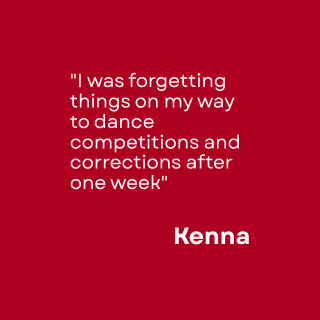
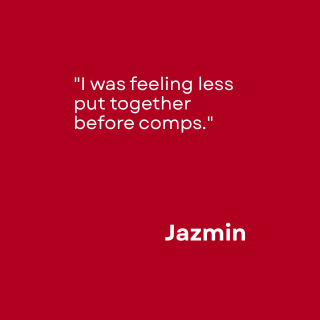
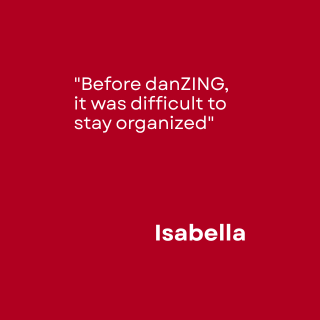
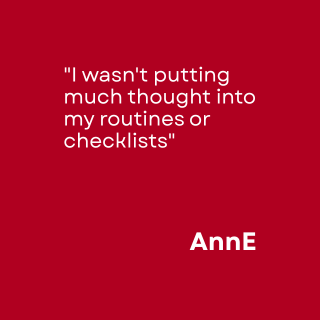
Inside the danZING Beta Program
We surveyed independent dancers before introducing danZING to understand how they track corrections, review rehearsals, and stay organized.
100% of dancers forgot corrections at least sometimes — dancer self-reported before adopting danZING.
Nearly 9 in 10 parents required follow-up from studios — a systemic communication gap that danZING directly addresses.
But even motivated dancers struggle to consistently track corrections.
When dancers forget corrections, studios lose rehearsal efficiency.
50% of dancers self-reported that corrections were repeated often or almost every rehearsal before danZING.
Teachers and directors repeat the same corrections because dancers don’t have a reliable system to track them.
danZING was built to solve this exact problem.
Dancers self-reported significantly more accountability and consistency after using danZING during beta.
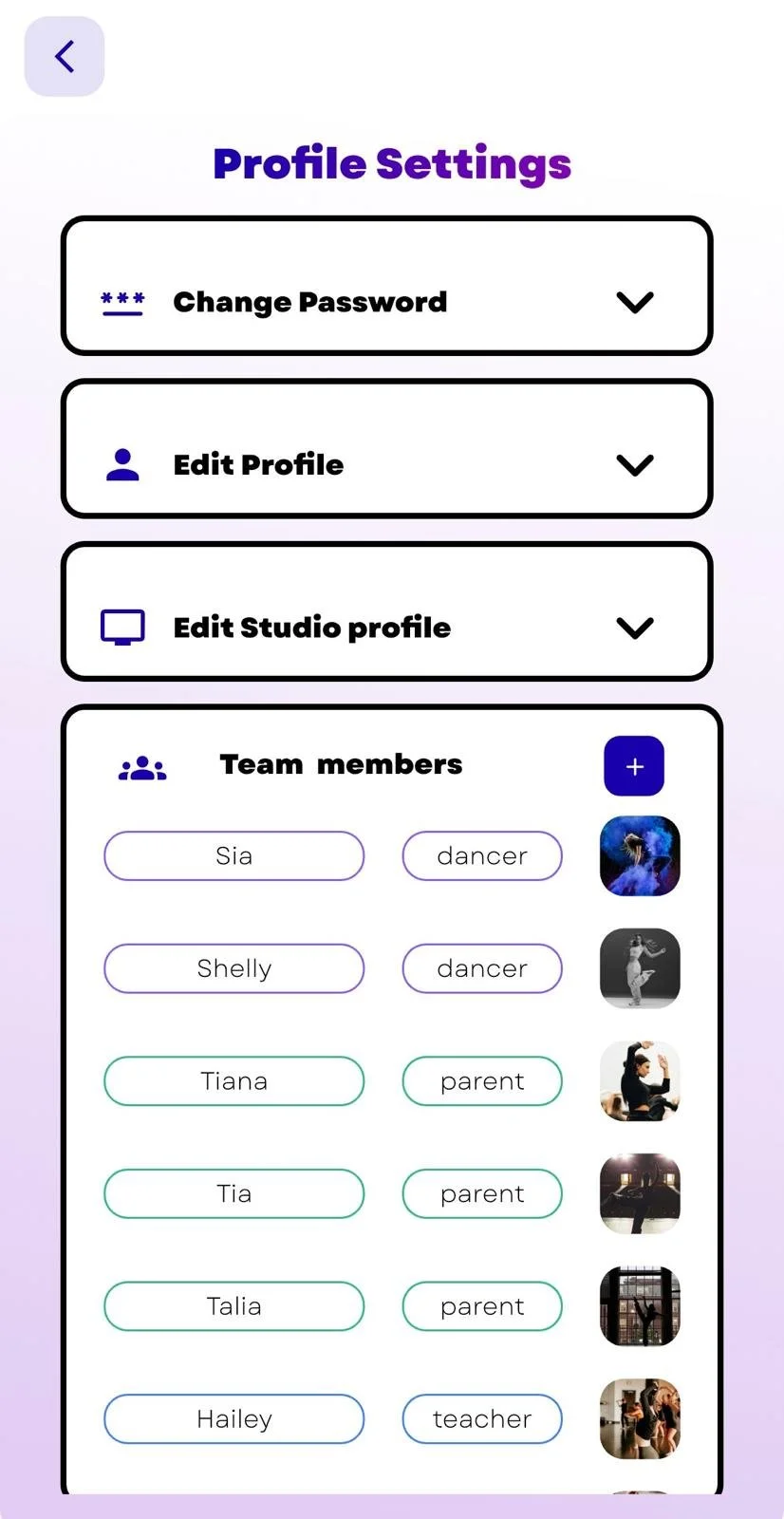
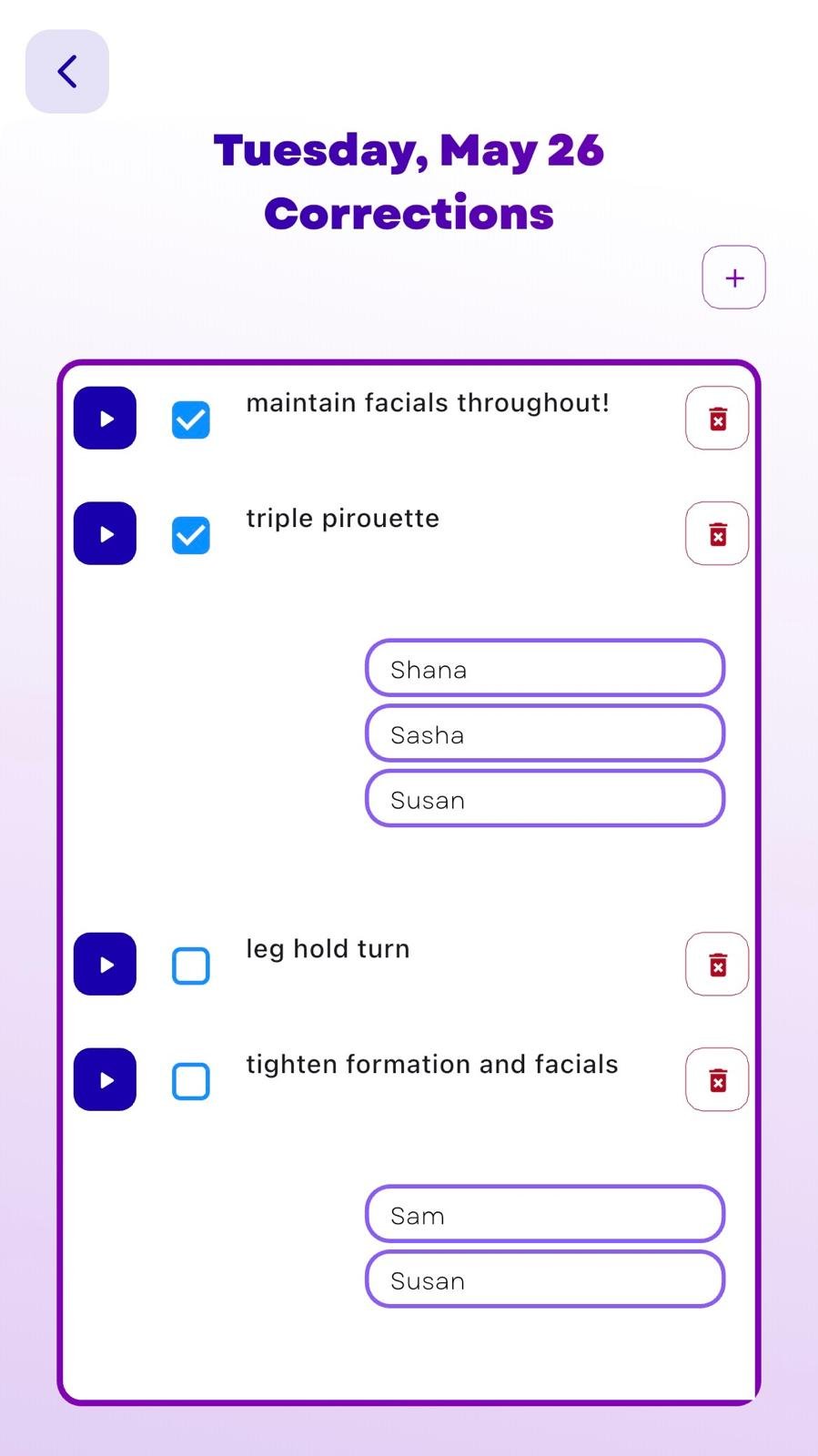
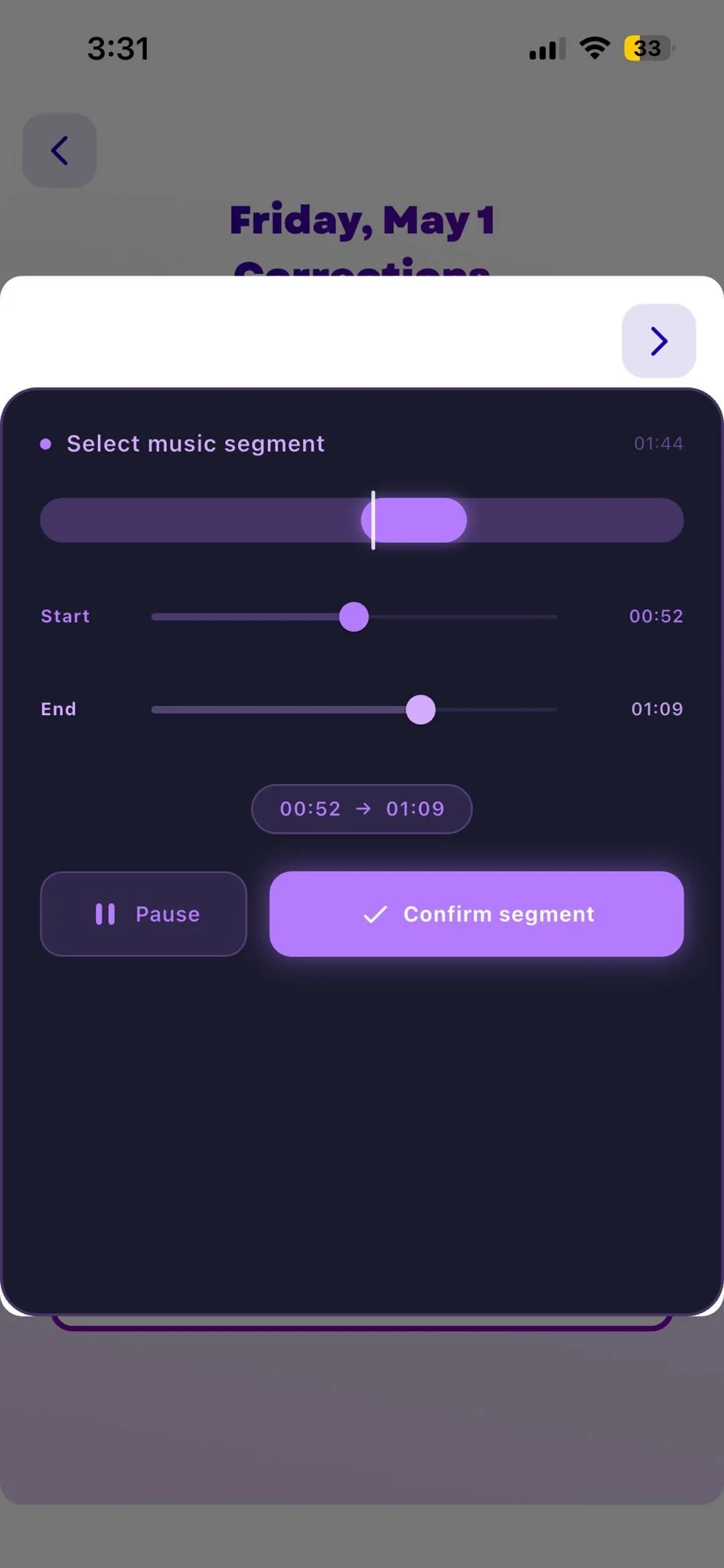
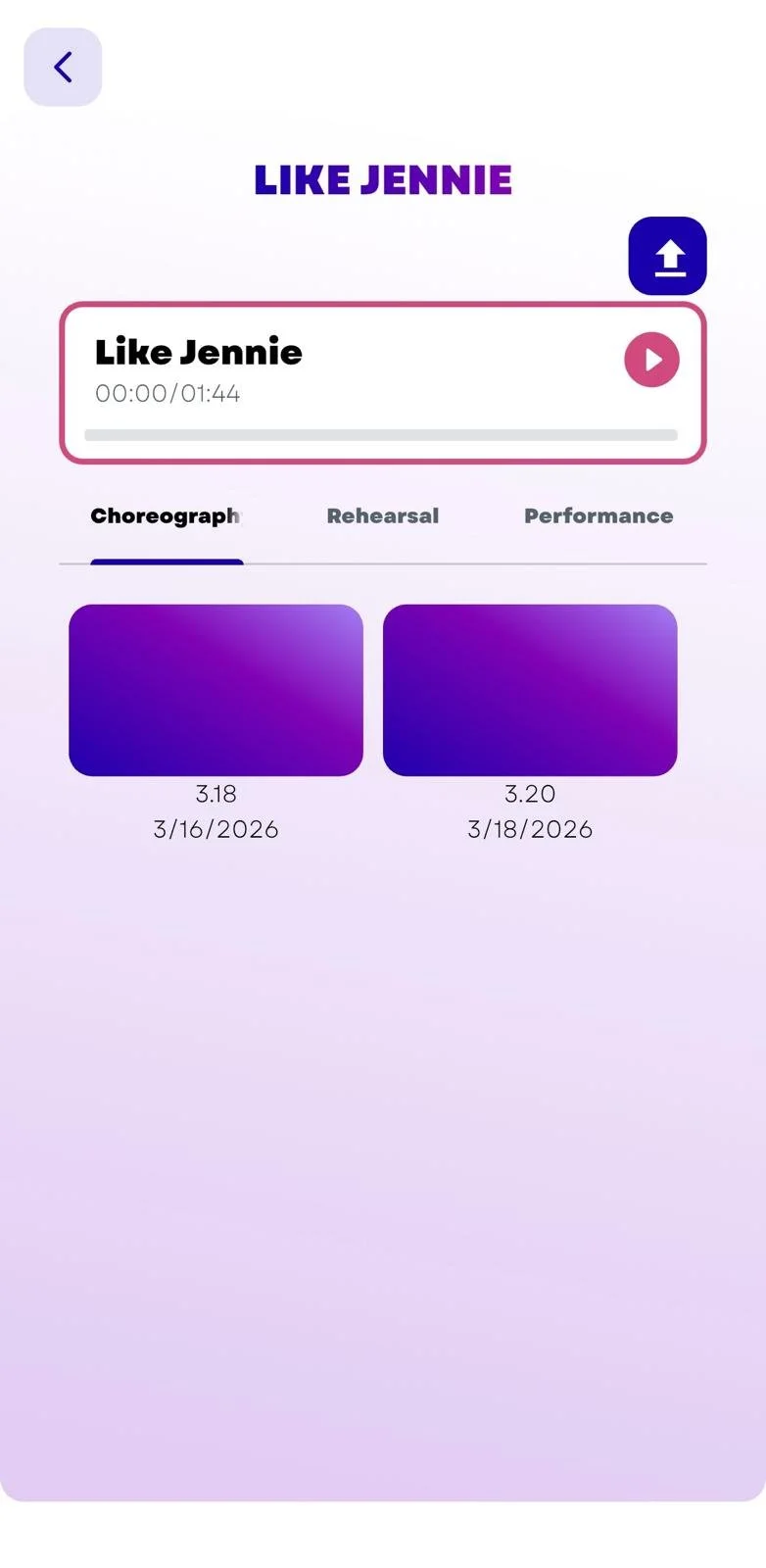
After just a few weeks of using danZING:
Zoe Lytle (Debbie’s Dance Etc.)
Joleigh (Michelle’s Academy of Dance)
Kaylee (Diamond Dance Studio)
Kelsey (Pivotal Academy of Dance)
AnnEstelle (Crescendo Dance Studio)
Olivia (RO Studios and Diamond Dance Studio)
What Studios Gain
Significant improvements across all three metrics. Dancers consistently self-reported better memory, clarity, and preparedness after adopting danZING.
What’s stopping you from danZING?
-
The danZING Beta ran from January 2026 through early May 2026. During this period, we continuously iterated based on dancer feedback and usage patterns across multiple feature updates and check-ins.
-
Over 110 dancers participated in the beta. Engagement varied, with approximately 10–15% of users being highly active, while the remainder used danZING consistently throughout the testing period.
-
The beta was intentionally focused on competitive and performance dancers. the majority were dancers who regularly attend rehearsals and receive structured corrections—the core user for danZING.
-
During the beta, we focused on understanding how dancers actually used danZING in real rehearsal environments. Specifically, we measured feature usage frequency and which tools provided the most value to dancers.
The strongest usage patterns were centered around corrections and checklists. Those became the core features, so we prioritized improving speed and ease of use in those areas. This led to enhancements like faster correction logging, easier organization of correction pages, and the ability to connect corrections to specific points in a routine.
The goal wasn’t just to track usage—it was to identify what naturally fit into a dancer’s routine and remove any friction around those high-frequency actions.
-
During the beta, dancers typically engaged with danZING 3–5 times per week, often immediately after rehearsals or classes to log corrections and organize materials.
-
danZING does not sell or share user data. Data is used strictly to operate the app and improve features and performance. Access is controlled and limited to internal product needs only.
More about the builder
I love dance but not so much the chaos that comes with dance team.
A quick Google search one day showed me that there isn’t really any app designed for dance teams to keep everyone on the same page (even dance parents. . .).
So, I built danZING.
I learned so much along the way. Dancers really value specificity, not just organization. So, each danZING feature is intentional, from tracking corrections organized by timestamp to creating packing checklists. I also learned that studio directors want quick and viable solutions for their dancers, so we commit to one or two significant app updates per week and respond to DMs at any time of day to get feedback.
I'm a 16-year-old dancer who has lived through the team chaos firsthand. I know danZING can help your studio — and I'm beyond excited to show you how!
-Prisha (the 16 year-old behind danZING)